Sustainability in Welding How to Reduce Your Carbon Footprint
Understanding the Environmental Impact of Welding and Fabrication
The Carbon Footprint of Traditional Welding Processes
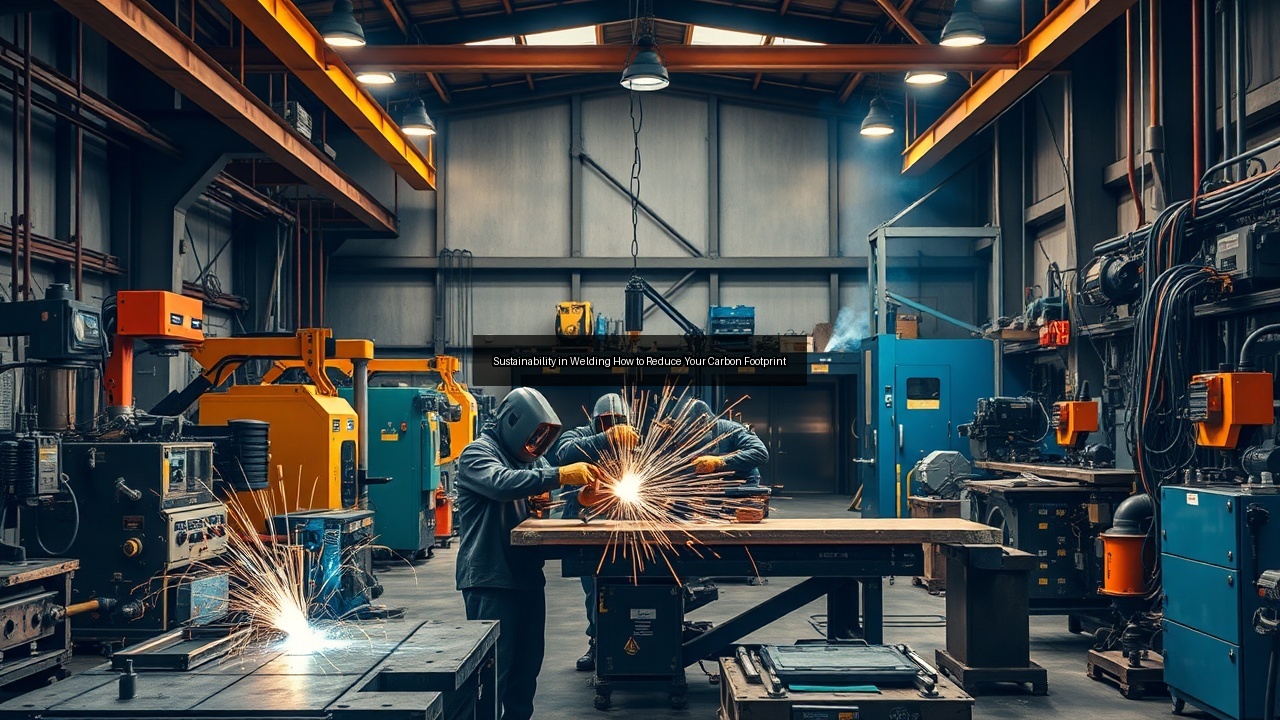
Welding and fabrication, essential components of modern manufacturing, significantly contribute to greenhouse gas emissions. Traditional welding processes, such as Shielded Metal Arc Welding (SMAW) and Gas Metal Arc Welding (GMAW), involve high energy consumption and the use of materials that may not be environmentally friendly. The carbon footprint associated with these methods largely stems from the energy-intensive nature of metal fabrication, where machines operate continuously, consuming electricity and generating emissions. Furthermore, the use of certain welding consumables, such as specific alloys and fluxes, can release harmful gases and particulates, adding to the environmental burden. Understanding these impacts is critical for industries aiming to adopt more sustainable practices.
Energy Consumption in Metal Fabrication
The energy consumption associated with welding and metal fabrication processes often goes unnoticed. Welding machines, whether they are MIG welding or TIG welding setups, require substantial power to operate effectively. The electricity used during fabrication not only drives the machines but also influences the overall operational costs. Energy-intensive processes can lead to higher carbon emissions, particularly if the energy source is fossil fuels. Implementing energy-efficient machines and optimizing workflow can significantly reduce energy usage. By using tools designed for lower energy consumption and implementing renewable energy sources, companies can mitigate the environmental impact of their fabrication processes, aligning with sustainability goals.
The Role of Welding in Manufacturing Emissions
Welding plays a pivotal role in the manufacturing sector, which is a major contributor to global emissions. The fabrication process involves various stages, including cutting, joining, and finishing metals, all of which can generate emissions. For instance, the fume generated during welding operations can pose health risks to workers while contributing to air pollution. Addressing these emissions involves a multifaceted approach, including implementing robust quality control measures to minimize defects and rework. By focusing on sustainable welding practices, manufacturers can significantly decrease their contribution to overall manufacturing emissions, paving the way for a greener industry.
Sustainable Practices in Welding and Fabrication
Utilizing Eco-Friendly Welding Materials and Alloys
Adopting eco-friendly welding materials and alloys is an effective strategy to enhance sustainability in the welding and fabrication industry. Many traditional alloys used in welding contain high levels of carbon and other non-renewable resources. Switching to alternative materials, such as aluminum or recycled metals, can significantly reduce the carbon footprint of the fabrication process. Eco-friendly alloys are often designed to be more efficient in terms of performance and can lead to lower emissions during production and welding. Additionally, manufacturers can source local materials to decrease transportation emissions, contributing to a more sustainable supply chain.
Implementing Efficient Workflow and Machinery
Efficiency in workflow and machinery usage plays a crucial role in reducing waste and energy consumption in welding and fabrication. Streamlining operations involves analyzing the entire fabrication process, from design to production, to identify bottlenecks and inefficiencies. Implementing lean manufacturing techniques can help minimize waste and improve the overall productivity of welding operations. Utilizing advanced machinery, such as automated welding systems, not only enhances precision but also reduces the time required for tasks, thereby cutting down energy usage. By optimizing the workflow, companies can achieve better sustainability outcomes while maintaining high standards of quality and output.
The Benefits of Automation in Reducing Waste
Automation in welding and fabrication brings substantial benefits in terms of waste reduction and efficiency. Automated welding machines, such as robotic welders, provide consistent quality and precision, minimizing the likelihood of defects that can lead to scrap metal. Automation also enables better control over the fabrication process, allowing for real-time adjustments that optimize energy usage and material application. Moreover, automated systems can operate. during off-peak hours, taking advantage of lower energy costs and further reducing the carbon footprint. Investing in automation is a smart strategy for companies looking to enhance their sustainability efforts while improving productivity and reducing operational costs.
Innovative Technologies for Sustainable Welding
Advancements in MIG and TIG Welding Techniques
Recent advancements in MIG and TIG welding techniques have opened new avenues for improving sustainability in welding and fabrication. These modern methodologies allow for greater control over heat input, which can lead to reduced distortion and less material waste. Innovations in welding technologies also include the development of more efficient welding torches and power sources that consume less energy. Enhanced training programs for welders focusing on these advanced techniques can further improve skill levels, resulting in higher-quality welds and reduced rework. Embracing these technological advancements helps industries align with sustainability goals while enhancing their competitive edge.
The Impact of Quality Control and ISO 9001 Standards
Quality control plays a significant role in sustainable welding practices. Implementing ISO 9001 standards in welding and fabrication ensures that products meet consistent quality requirements, thereby reducing the likelihood of defects and waste. Rigorous inspection processes allow companies to identify and address issues before they escalate, minimizing rework and conserving resources. By adhering to these quality standards, companies can enhance their reputation while demonstrating their commitment to sustainability. Investing in quality control not only benefits the environment but also improves customer satisfaction and loyalty.
Integrating Sustainable Design in Metal Fabrication
Integrating sustainable design principles in metal fabrication is essential for reducing the environmental impact of welding processes. Designers can focus on creating products that require less material without compromising strength and functionality. Employing software tools that evaluate the sustainability of design choices helps engineers make informed decisions regarding material selection and fabrication techniques. Moreover, considering the end-of-life of products during the design phase can facilitate recycling and minimize waste. Sustainable design not only enhances the efficiency of the fabrication process but also aligns with growing consumer demand for environmentally responsible products.
Future Trends in Sustainable Welding and Fabrication
The Role of Aerospace Industry in Promoting Sustainability
The aerospace industry increasingly prioritizes sustainability, setting a benchmark for other sectors, including welding and fabrication. Aerospace manufacturers are exploring lightweight materials and advanced welding techniques to minimize weight while maximizing strength. This focus on sustainability has led to innovations in welding technologies that reduce energy consumption and emissions. By adopting practices pioneered in aerospace, such as thorough lifecycle assessments and sustainable material sourcing, other industries can enhance their sustainability efforts. Collaborations between aerospace firms and fabrication companies can further drive advancements in eco-friendly welding solutions.
Exploring Custom Welding and Fabrication Services
Custom welding and fabrication services are gaining traction as companies seek tailored solutions that align with sustainability goals. These specialized services allow for the creation of products that meet precise specifications while fabrication and welding optimizing material usage. Customization can lead to more efficient designs that reduce waste and enhance overall product performance. Additionally, local fabrication companies are often better equipped to provide sustainable solutions by sourcing materials responsibly and minimizing transportation emissions. Embracing custom services not only fulfills specific manufacturing needs but also supports broader sustainability initiatives.
Emerging Trends in Eco-Friendly Welding Machines
Emerging trends in eco-friendly welding machines are transforming the landscape of welding and fabrication. Manufacturers are developing machines that operate on renewable energy sources and utilize advanced technologies to minimize energy consumption. Innovations in machine design, such as lighter-weight components and energy-efficient cooling systems, further enhance sustainability. Additionally, the integration of smart technologies enables real-time monitoring and optimization of energy usage. As more companies recognize the importance of sustainability, the demand for eco-friendly welding machines will continue to rise, leading to a more responsible and efficient industry.