Threaded Inserts in Custom Plastic Parts A Game-Changer for Assembly
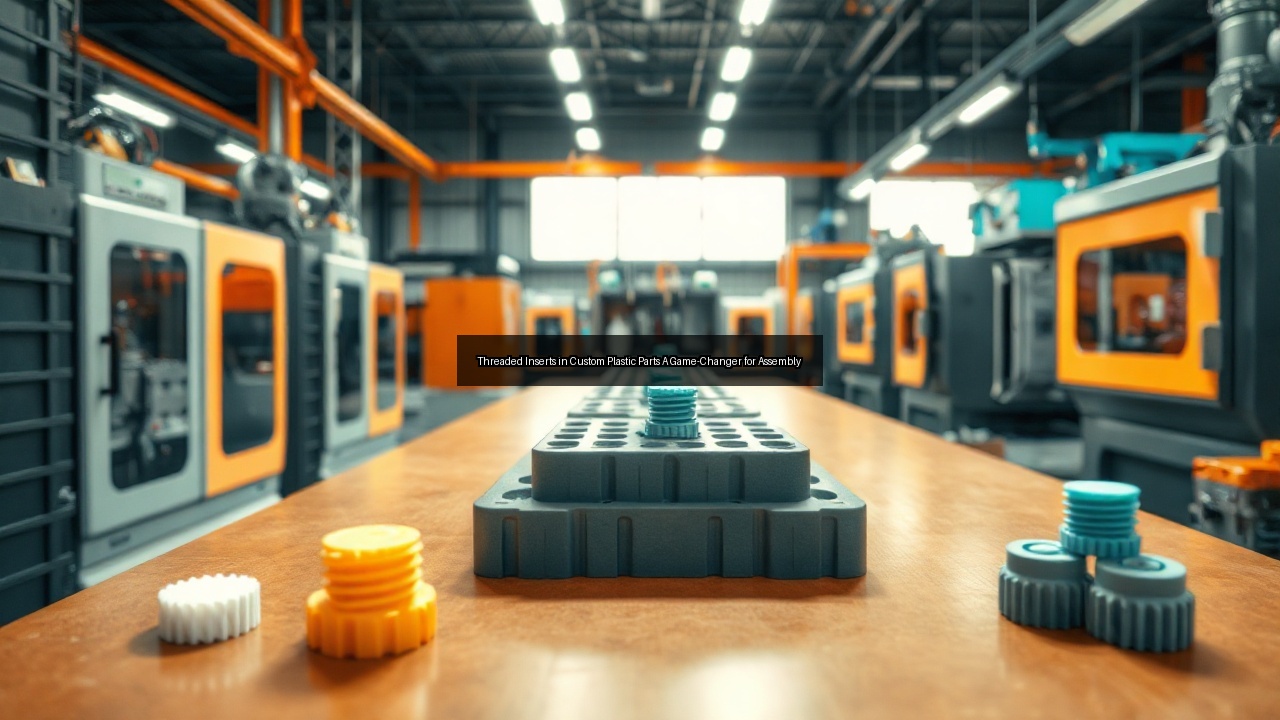
Understanding Threaded Inserts in Injection Molding
What are Threaded Inserts?
Threaded inserts are cylindrical pieces of metal or plastic that provide a durable threaded hole within an injection molded plastic part. They serve as a robust anchoring point for screws or bolts, effectively enhancing the mechanical properties of the plastic component. The use of threaded inserts is particularly advantageous in applications requiring repeated assembly and disassembly, such as in custom plastic parts used in electronics, automotive, and consumer goods. By integrating these inserts, manufacturers can ensure that their plastic parts withstand mechanical stress and maintain structural integrity over time, a crucial factor in product longevity and reliability.
Benefits of Using Threaded Inserts in Plastic Parts
Incorporating threaded inserts into custom plastic injection molding offers multiple benefits. First, they significantly enhance the longevity and durability of plastic parts, especially those subjected to high levels of stress. Second, threaded inserts allow for easy assembly and disassembly, making maintenance and repair processes more efficient. This adaptability leads to reduced downtime, which is essential in fast-paced manufacturing environments. Third, they enable the design of lighter components without sacrificing strength, supporting industries that prioritize weight reduction without compromising performance. Additionally, threaded inserts can be incorporated seamlessly into various molding processes, including overmolding and insert molding, further enhancing their versatility and application range.
Types of Threaded Inserts: A Comprehensive Overview
Various types of threaded inserts exist, each tailored to specific applications. Common types include brass, steel, and plastic inserts, each offering distinct advantages. Brass inserts provide excellent corrosion resistance and are often used in high-stress applications. Steel inserts, known for their strength, are suitable for heavy-duty applications requiring robust fastening solutions. Plastic inserts, on the other hand, are lightweight and suitable for non-load-bearing applications. Furthermore, inserts can be designed with different thread types, such as coarse or fine threads, depending on the required application. Understanding these options allows manufacturers to select the most appropriate threaded insert for their custom plastic injection molding projects, ensuring optimal performance and reliability.
The Role of Threaded Inserts in Custom Plastic Parts
Enhancing Assembly Efficiency with Threaded Inserts
Threaded inserts play a crucial role in improving assembly efficiency for custom plastic parts. By providing a reliable and consistent threading solution, they streamline the assembly process, reducing the likelihood of errors during installation. This efficiency not only saves time but also minimizes labor costs, making it an attractive option for manufacturers. Furthermore, the custom injection molding ability to create complex designs with multiple attachment points enhances product flexibility. As a result, manufacturers can develop innovative designs that meet specific customer requirements while maintaining ease of assembly. The incorporation of threaded inserts thus transforms the manufacturing landscape, leading to faster production cycles and increased output.
Comparing Threaded Inserts with Other Fastening Methods
When it comes to fastening methods in custom plastic injection molding, threaded inserts offer distinct advantages over alternatives like rivets, adhesives, or welding. Rivets can add weight and require additional tools for installation, while adhesives often struggle with temperature fluctuations and environmental conditions. Welding is generally unsuitable for plastic parts due to the risk of melting or damaging the substrate. In contrast, threaded inserts provide a clean, efficient, and more versatile solution. They allow for easy adjustment and removal of components, facilitating repair and replacement activities. This comparative analysis underscores the value of threaded inserts in enhancing the overall functionality and performance of custom plastic parts.
Case Studies: Successful Applications of Threaded Inserts
Several industries have successfully integrated threaded inserts into their custom plastic parts, leading to notable improvements in performance and assembly. For instance, in the automotive sector, threaded inserts have been used in lightweight components such as dashboard housings, providing both strength and ease of assembly. In consumer electronics, manufacturers have adopted threaded inserts for devices requiring regular maintenance, such as laptops and smartphones, allowing for efficient repairs. Furthermore, in medical devices, threaded inserts enhance the reliability of components that must withstand stringent sterilization processes. These case studies exemplify how threaded inserts can revolutionize product design and manufacturing processes across diverse sectors.
Integrating Threaded Inserts with Advanced Manufacturing Techniques
Overmolding and Insert Molding: A Perfect Pairing
Overmolding and insert molding are advanced manufacturing techniques that work synergistically with threaded inserts to enhance product design. Overmolding involves molding a second material over a primary substrate, creating a strong bond between the two materials. When combined with threaded inserts, this technique allows for the integration of soft elastomers with rigid plastics, enhancing grip and comfort in applications such as handheld devices. Insert molding, on the other hand, involves placing a threaded insert into the injection mold before injecting the plastic. This results in a seamless incorporation of the insert, minimizing the risk of misalignment and ensuring a secure fit. Together, these techniques facilitate the production of customized, high-performance plastic parts that meet diverse industry needs.
3D Printing and Threaded Inserts: Innovation in Design
3D printing has emerged as a transformative technology in the realm of custom plastic injection molding, particularly when combined with threaded inserts. This innovative pairing allows designers to create complex geometries that traditional molding methods may struggle to achieve. Designers can print prototypes with embedded inserts, enabling rapid iteration and testing before moving to mass production. Additionally, 3D printing facilitates the development of bespoke inserts tailored to specific applications, enhancing the adaptability of custom plastic parts. The ability to integrate threaded inserts within 3D printed components opens new avenues for creativity and functionality, allowing manufacturers to push the boundaries of design.
CNC Machining and EDM for Precision Inserts
CNC machining and electrical discharge machining (EDM) are essential techniques for creating precision threaded inserts that meet stringent specifications. CNC machining allows for the rapid production of intricate designs with high accuracy, ensuring that threaded inserts fit perfectly in custom plastic injection molded parts. This technique is particularly useful for creating complex geometries that require tight tolerances. EDM, on the other hand, excels in producing intricate features and fine details in metal inserts, providing a level of precision that is paramount in high-performance applications. By employing these advanced manufacturing techniques, companies can produce high-quality threaded inserts that enhance the overall integrity and performance of custom plastic parts.
Cost Considerations and Quality Control in Custom Plastic Injection Molding
Pricing Factors for Custom Plastic Injection Molding
Cost plays a pivotal role in the decision-making process for custom plastic injection molding. Several factors influence pricing, including material selection, complexity of design, and the number of components required. High-quality thermoplastics or liquid silicone rubber (LSR) may lead to higher initial costs but offer superior durability and performance. Additionally, the intricacy of the mold design and the number of cavities in the injection mold can significantly affect the overall production costs. Companies must also consider the upfront costs of tooling and the potential savings from reduced assembly time and improved product lifespan. Conducting a thorough analysis of these factors ensures that manufacturers make informed decisions that align with their budgetary constraints.
ISO 9001 Standards and Quality Assurance in Production
Adhering to ISO 9001 standards is crucial for ensuring quality control in custom plastic injection molding. This internationally recognized standard emphasizes a systematic approach to managing processes, reducing waste, and enhancing customer satisfaction. By implementing ISO 9001, manufacturers can establish consistent quality throughout production, from material selection to final inspection. Compliance with these standards not only fosters trust among clients but also streamlines production processes, leading to improved efficiency custom mold and reduced costs. Manufacturers committed to quality assurance are better positioned to deliver reliable, high-performance custom plastic parts that meet or exceed customer expectations.
Inspection and Surface Finishes for Enhanced Durability
Inspection plays a vital role in maintaining the quality of custom plastic injection molded parts. Rigorous inspection processes, including visual checks, dimensional measurements, and surface finish assessments, ensure that products meet specified tolerances and performance standards. Surface finishes also significantly impact the durability and aesthetics of plastic components. Techniques such as laser engraving, texturing, and polishing can enhance surface quality, providing a competitive edge in the marketplace. By prioritizing inspection and surface finishes, manufacturers can improve the reliability and appeal of their custom plastic parts, fostering long-term customer relationships and brand loyalty.
See Also
- Exploring the Versatility of Custom Plastic Injection Molding in Various Industries
- The Future of Manufacturing with Custom Plastic Injection Molding Innovations
- How to Effectively Communicate Your Custom Molding Needs to Manufacturers
- From Prototypes to Production Custom Plastic Injection Molding Explained